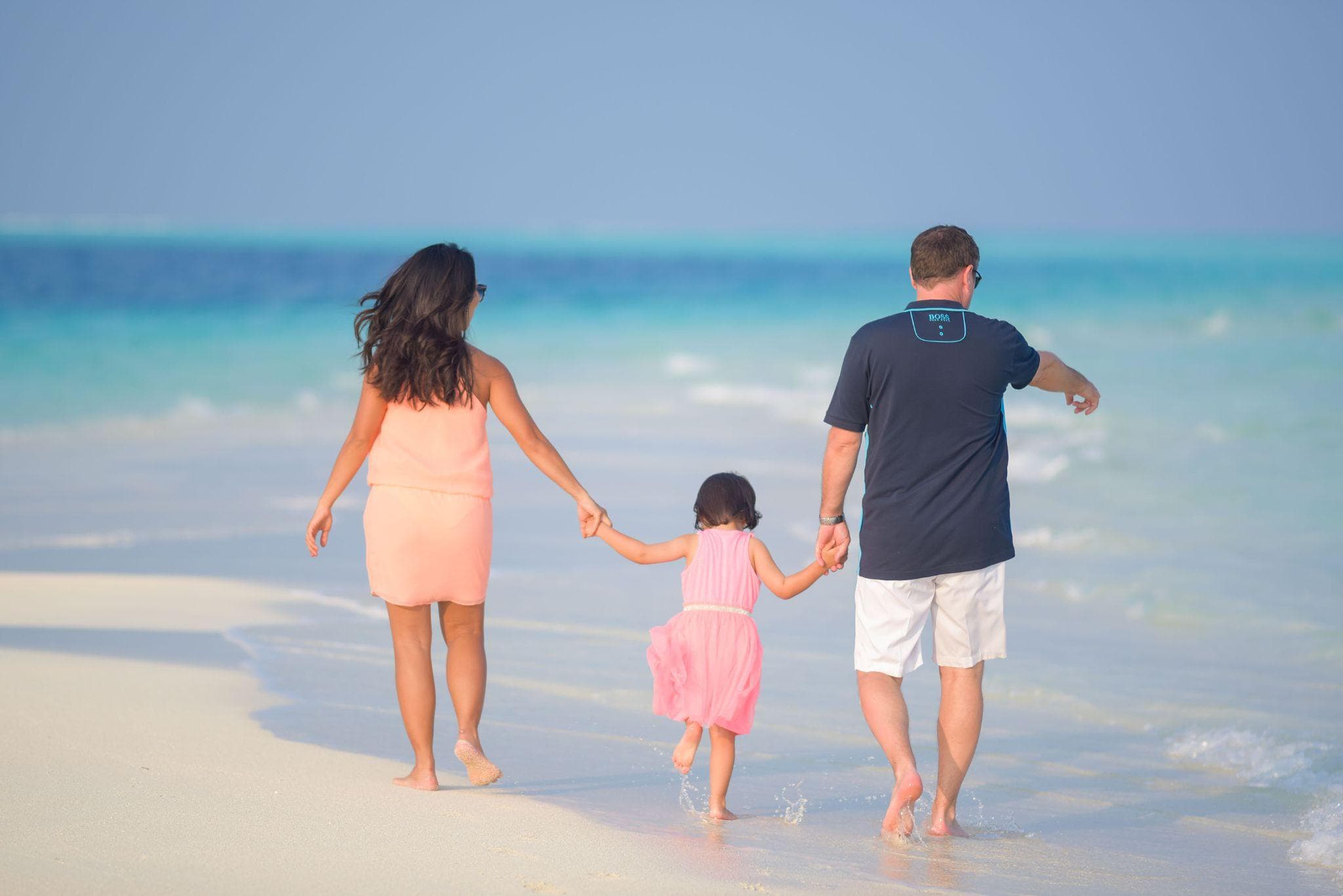
Travel has always been a way to discover new places, experience different cultures and take a break from everyday routines. However, travelling with family offers something more than simply visiting new destinations. It creates opportunities to spend quality time together, build stronger relationships and share experiences that can remain memorable for years.
Modern family travel is no longer limited to traditional holidays. Many families now look for journeys that combine relaxation, exploration and activities suitable for different interests. The goal is not only to see a new place but also to create meaningful moments together.
Choosing Destinations That Work for Everyone
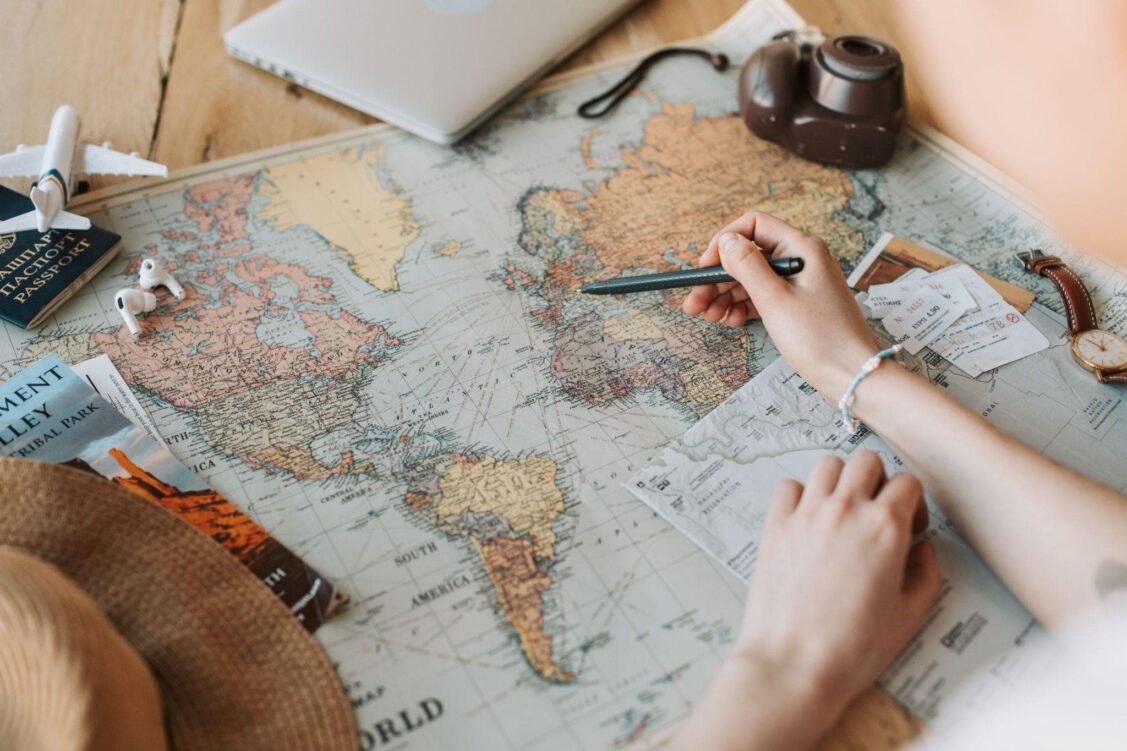
Planning a family trip often requires considering different preferences. Adults may look for comfort and interesting attractions, while younger travellers may want activities, entertainment and opportunities to explore.
A well-chosen destination should offer a balance between different needs. Coastal areas, cultural cities and nature-focused locations can all provide valuable experiences depending on the interests of the family.
Before travelling, it is useful to research the destination carefully. Information about local attractions, transport options and seasonal conditions can help create a smoother experience.
Many travellers use travel guides to learn more about destinations before making decisions. These resources can provide useful background information and help families understand what a location has to offer.
The Importance of Planning Together
One of the most interesting parts of family travel can begin before the journey itself. Planning together allows everyone to become involved and creates excitement before departure.
Children can choose activities they would like to experience, while adults can organise practical details such as accommodation, transport and schedules.
A flexible approach is usually better than creating an extremely strict plan. Unexpected situations can happen during any trip, and leaving some free time allows families to discover places that were not included in the original schedule.
A balanced itinerary should include a mix of planned activities and moments for relaxation.
Travel as a Learning Experience
A journey can provide knowledge that goes beyond traditional learning environments. Visiting historical locations, exploring natural areas or experiencing local traditions can help travellers better understand the world around them.
For children especially, travel can encourage curiosity. Seeing different environments and cultures creates opportunities to ask questions and develop a broader perspective.
Even simple activities can become valuable experiences. Trying local food, learning a few words in another language or observing everyday life in a new place can make a destination more interesting.
Travel also teaches practical skills such as organisation, adaptation and communication.
Creating Digital Balance During Trips
Technology has changed the way people plan and experience holidays. Smartphones make it easier to find information, navigate unfamiliar places and stay connected.
However, family trips can also be an opportunity to reduce screen time and focus more on direct experiences.
Taking photographs and using digital tools can support travel, but they should not replace the experience itself. Sometimes the most memorable moments happen when people are fully present rather than focused on documenting every detail.
A balanced approach allows families to benefit from modern tools while still enjoying personal interaction.
Sustainable Choices During Family Holidays
More travellers are becoming interested in making responsible choices during their journeys. Sustainability does not require completely changing the way people travel. Small decisions can already have a positive impact.
Families can consider:
- choosing local businesses;
- reducing unnecessary waste;
- respecting natural areas;
- using public transport where practical;
- supporting regional products.
These choices can also improve the travel experience by helping visitors connect more closely with the destination.
Many communities depend on tourism, and thoughtful decisions can contribute to preserving local culture and environments for future visitors.
The Role of Shared Activities
Activities are often the centre of family trips. Whether it is hiking, visiting museums, exploring markets or spending time on a beach, shared experiences help create stronger connections.
The most valuable activities are not always the most expensive or complicated ones. A simple walk through a new neighbourhood or a family meal in a local restaurant can become a memorable part of the journey.
Outdoor experiences are especially popular because they allow families to spend time together away from everyday distractions.
Research about outdoor recreation also shows how activities in natural environments can support physical activity and overall well-being.
Preparing for Unexpected Situations
Even carefully planned journeys can include unexpected moments. Weather changes, transport delays or different personal preferences may require adjustments.
The ability to adapt can make a significant difference. Instead of seeing every change as a problem, families can treat unexpected situations as part of the adventure.
Preparation can reduce stress. Important documents, basic medical supplies and information about local services should be organised before departure.
At the same time, maintaining a positive attitude helps everyone enjoy the experience more.
Why Family Trips Stay Memorable
A successful family journey is not only measured by the number of places visited. The strongest memories often come from shared moments, conversations and experiences that happen along the way.
Years later, people may remember a funny situation during a trip, a beautiful view, a local tradition or a simple activity they enjoyed together.
Travel creates stories that families can share long after returning home. These stories become part of family history and help strengthen connections between generations.
Making Every Journey Meaningful
Family travel continues to evolve as people search for experiences that provide more than a temporary escape from daily routines. The most valuable journeys combine exploration, comfort and time spent together.
A thoughtful approach to planning, openness to new experiences and attention to the needs of every traveller can transform an ordinary holiday into something much more meaningful.
The destinations may change, but the purpose remains the same: creating moments that bring people closer and memories that last for years.